路易丝·布尔乔亚:软景
Louise Bourgeois: Soft Landscapes
展期:2025年03月25日—05月10日
艺术家:路易丝·布尔乔亚(Louise Bourgeois)
地点:豪瑟沃斯香港|香港中环皇后大道中8号地下
呈现布尔乔亚从1960年代到2008年的精选作品,包括雕塑与纸上作品。
Featuring selected works from the 1960s to 2008, including sculptures and works on paper.
路易丝·布尔乔亚(Louise Bourgeois,1911-2010)被公认为上世纪最重要且最具影响力的艺术家之一。她的作品游走于具象与抽象之间,涵盖从精细的绘画到宏大的装置艺术,通过形式与象征相结合的视觉语言,表达出丰富而细腻的情感。在长达七十多年的创作生涯中,布尔乔亚将艺术创作视为一种自我宣泄的过程——通过重构记忆与情感以试图摆脱它们的束缚。
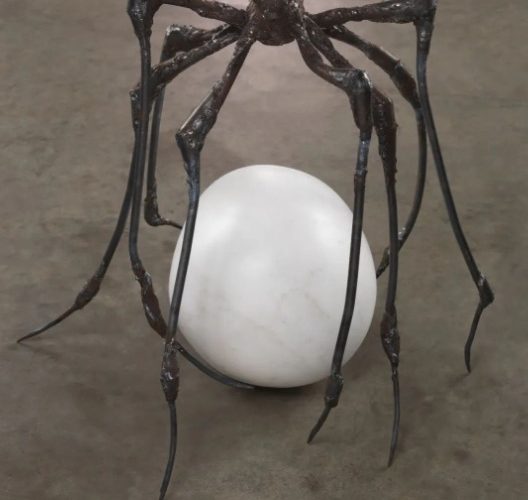
今年香港艺术周,豪瑟沃斯将举办布尔乔亚的第二场香港个展,由豪瑟沃斯与伊斯顿基金会(The Easton Foundation)联合策划,呈现她从二十世纪60年代到2008年的精选作品,包括一些鲜有展出的雕塑与纸上作品。其中,一件三米长的喷泉装置《乳房(喷泉)》(1991)以及一件钢与大理石雕塑《蜘蛛》(2000)将首次在亚洲展出。


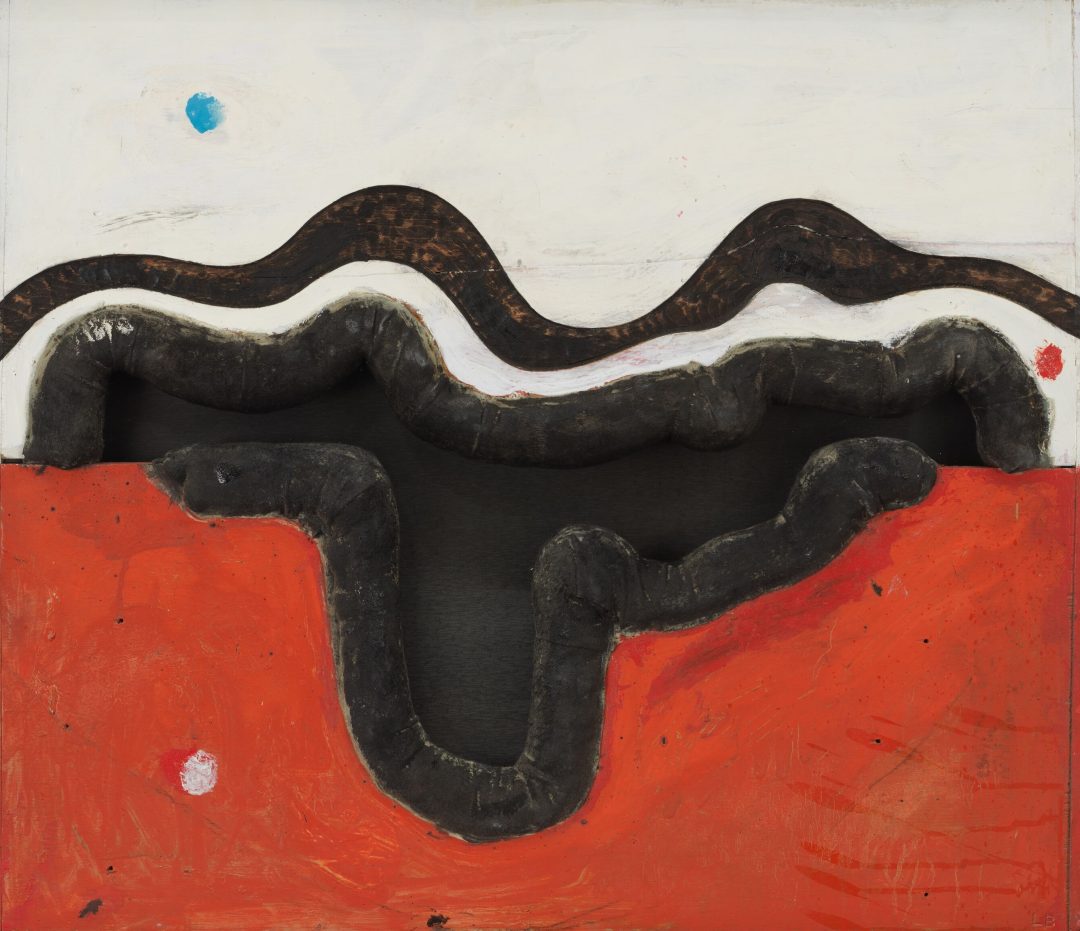

路易丝·布尔乔亚1911年出生于巴黎,1938年搬到纽约工作与生活,直到2010年去世。她被公认为上世纪最重要且最具影响力的艺术家之一。她的作品游走于具象与抽象之间,涵盖从精细的绘画到宏大的装置艺术,透过形式与象征相结合的视觉语言,表达出丰富而细腻的情感。在长达七十多年的创作生涯中,布尔乔亚将艺术创作视为一种情感宣泄的过程——透过重构记忆与情感以试图摆脱它们的束缚。豪瑟沃斯将于2025年3月25日至5月10日举办布尔乔亚的第二场香港个展,展览由豪瑟沃斯与伊斯顿基金会(The Easton Foundation)联合策划,将呈现她从二十世纪60年代到2008年的精选作品,包括一些鲜有展出的雕塑与纸上作品。其中,一件三米长的喷泉装置《乳房(喷泉)》(Mamelles [fountain],1991)以及一件钢与大理石雕塑《蜘蛛》(Spider,2000)将首次在亚洲展出。
點擊查看詳情 ,豪瑟沃斯
Louise Bourgeois
Born in France in 1911, and working in America from 1938 until her death in 2010, Louise Bourgeois is recognized as one of the most important and influential artists of the 20th Century. For over seven decades, Bourgeois’s creative process was fueled by an introspective reality, often rooted in cathartic re-visitations of early childhood trauma and frank examinations of female sexuality. Articulated by recurrent motifs (including body parts, houses and spiders), personal symbolism and psychological release, the conceptual and stylistic complexity of Bourgeois’s oeuvre—employing a variety of genres, media and materials—plays upon the powers of association, memory, fantasy, and fear.
Bourgeois’s work is inextricably entwined with her life and experiences: fathoming the depths of emotion and psychology across two- and three-dimensional planes of expression. ‘Art,’ as she once remarked in an interview, ‘is the experience, the re-experience of a trauma.’ Arising from distinct and highly individualized processes of conceptualization, Bourgeois’s multiplicity of forms and materials enact a perpetual play: at once embedding and conjuring emotions, only to dispel and disperse their psychological grasp. Employing motifs, dramatic colors, dense skeins of thread, and vast variety of media, Bourgeois’s distinctive symbolic code enmeshes the complexities of the human experience and individual introspection.
Rather than pursuing formalist concerns for their own sake, Bourgeois endeavored to find the most appropriate means of expressing her ideas and emotions, combining a wide range of materials—variously, fabric, plaster, latex, marble and bronze—with an endless repertoire of found objects. Although her oeuvre traverses the realms of painting, drawing, printmaking, and performance, Bourgeois remains best known for her work in sculpture.
Bourgeois’s early works include her distinct ‘Personages’ from the late 1940s and early 1950s; a series of free-standing sculptures which reference the human figure and various urban structures, including skyscrapers. The ‘Personages’ served as physical surrogates for the friends and family Bourgeois had left behind in France, while also highlighting an interest in architecture dating back to her childhood. Her installation of these sculptures as clustered ‘environments’ in 1949 and 1950 foreshadowed the immersive encounters of installation art twenty years before the genre’s rise to prominence.
Bourgeois’s work was included in the seminal exhibition ‘Eccentric Abstraction,’ curated by Lucy Lippard for New York’s Fischbach Gallery in 1966. Major breakthroughs on the international scene followed with The Museum of Modern Art in New York’s 1982 retrospective of her work; Bourgeois’s participation in Documenta IX in 1992; and her representation of the United States at the 45th Venice Biennale in 1993.
In 2001, Bourgeois was the first artist commissioned to fill the Tate Modern’s cavernous Turbine Hall. The Tate Modern’s 2007 retrospective of her works, which subsequently traveled to the Centre Pompidou in Paris; The Guggenheim Museum in New York; The Museum of Contemporary Art in Los Angeles; and The Hirshhorn Museum & Sculpture Garden in Washington D.C., cemented her legacy as a foremost grande dame of late Modernism.
Header image: Louise Bourgeois, ARCHED FIGURE, 1993 © The Easton Foundation/VAGA, NY, Photo: Christopher Burke